Introduction
Autoimmune inflammatory diseases of the central nervous system (CNS) comprise a heterogeneous but increasingly well-defined group of disorders in which humoral and cellular immune responses target antigens expressed in the brain, spinal cord, and optic nerves. Historically, many of these syndromes were classified as idiopathic encephalitis, atypical demyelinating disease, or paraneoplastic neurologic syndromes. The identification of disease-specific autoantibodies – such as those against the N-methyl-D-aspartate receptor (NMDAR), leucine-rich glioma-inactivated 1 (LGI1), contactin-associated protein-like 2 (CASPR2), aquaporin-4 (AQP4), and myelin oligodendrocyte glycoprotein (MOG) – has established discrete disease entities with characteristic clinical spectra, radiologic features, and responses to immunotherapy [1–3]. Autoimmune encephalitis (AE) now encompasses a broad spectrum of syndromes, classically including anti-NMDAR encephalitis, LGI1- and CASPR2-associated limbic encephalitis, GABA receptor encephalitides, and antibody-negative but clinically defined forms. These syndromes often present with seizures, psychiatric symptoms, cognitive dysfunction, movement disorders, and/or autonomic instability, and can be rapidly progressive. Neuromyelitis optica spectrum disorder (NMOSD) is characterized by severe, relapsing inflammatory attacks of the optic nerves and spinal cord, frequently associated with AQP4-IgG; it is now recognized as distinct from multiple sclerosis (MS) with unique immunopathogenesis and therapeutic needs. Myelin oligodendrocyte glycoprotein antibody-associated disease (MOGAD) has emerged as a third major antibody-mediated demyelinating disease of the CNS, encompassing optic neuritis (ON), transverse myelitis, acute disseminated encephalomyelitis (ADEM), and cortical encephalitis phenotypes [4–6].
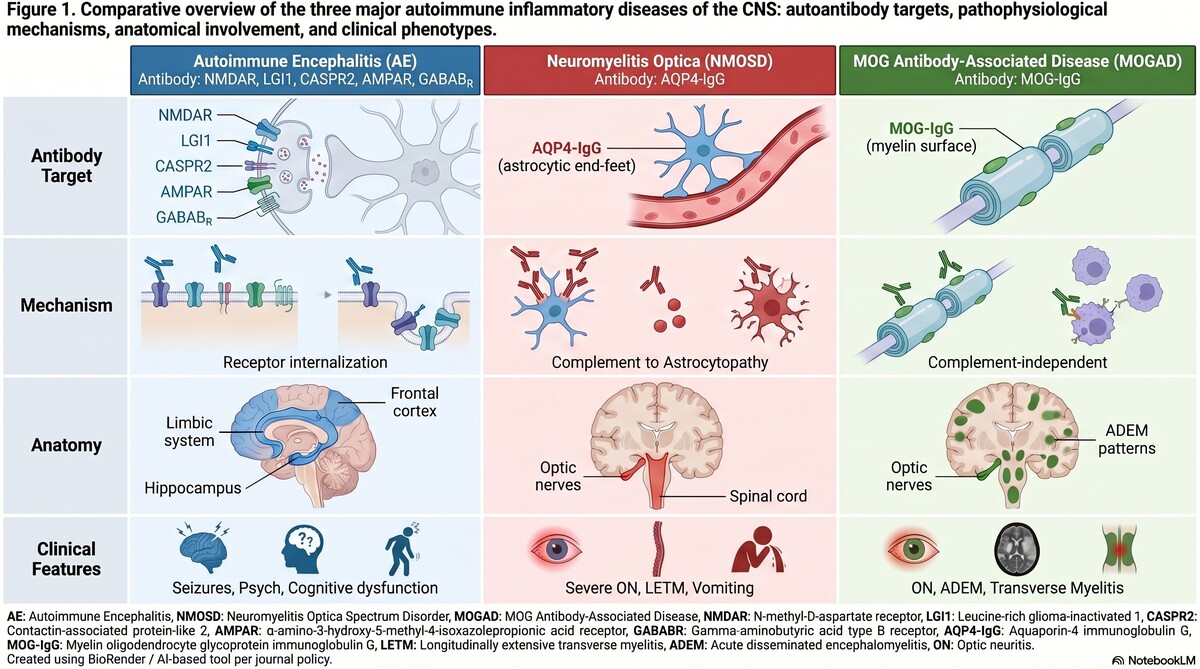
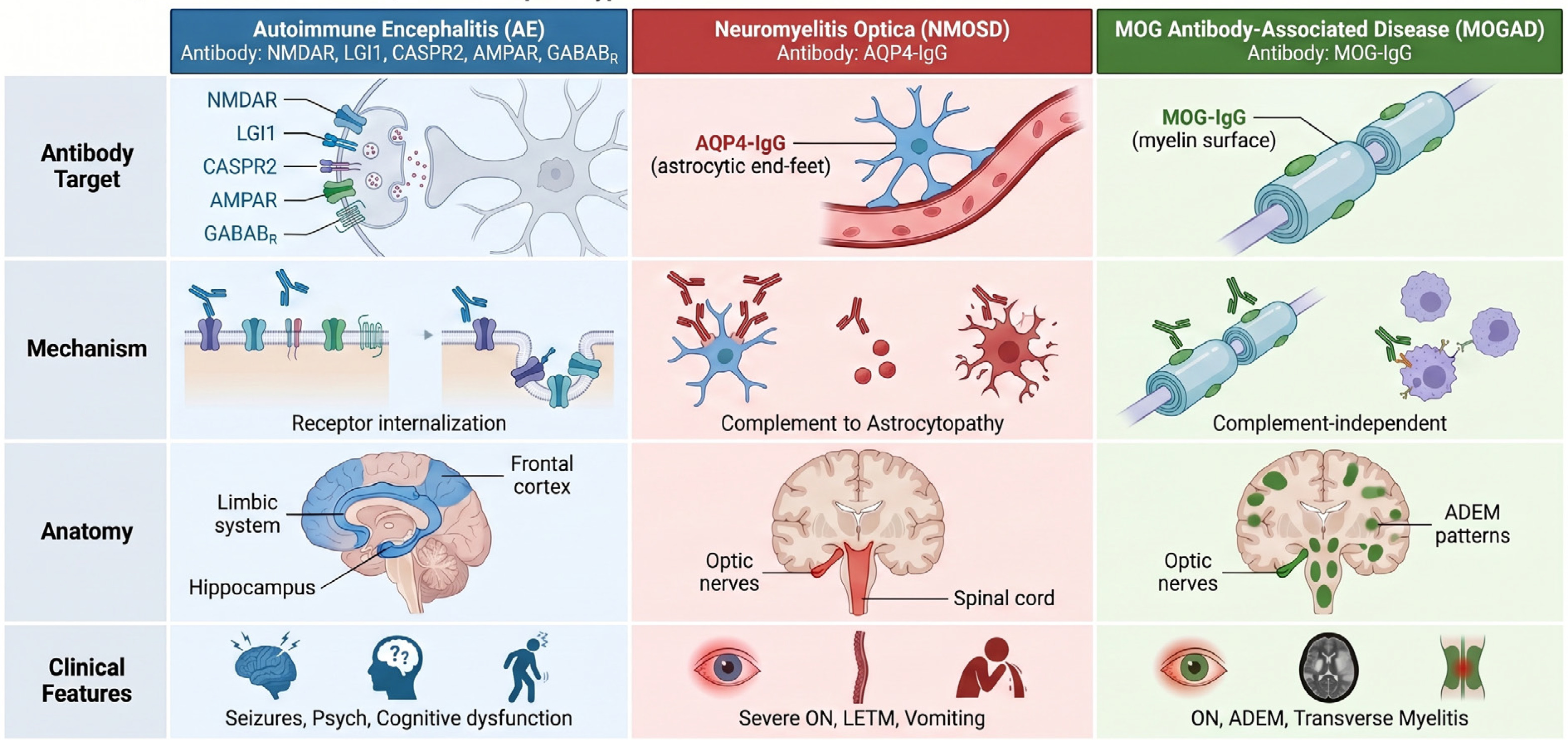
Recognition of the autoimmune basis of these disorders has created an urgent need for high-quality evidence on optimal immunotherapy. However, clinical research is hampered by low incidence, phenotypic diversity, diagnostic delays, and ethical constraints on placebo use in acutely life-threatening disease. Historically, the evidence base has relied heavily on single-center series and retrospective cohorts. In recent years, there has been a significant shift toward more rigorous clinical trial methodology, including multicenter cohorts, prospective registries, and randomized trials of targeted biologics. This transition is most advanced in NMOSD but is now beginning in AE and MOGAD [5, 7–9]. An overview of the main autoimmune inflammatory diseases of the CNS is shown in Figure 1.
Fig. 1
Overview of main autoimmune inflammatory diseases of CNS. Figure created using NotebookLM.
ADEM – acute disseminated encephalomyelitis, AE – autoimmune encephalitis, AMPAR – O-amino-3-hydroxy-5-methyl-4-isoxazolepropionic acid receptor, AQP4-IgG – aquaporin-4 immunoglobulin G, CASPR2 – contactin-associated protein-like 2, GABABR – g-aminobutyric acid type B receptor, LETM – longitudinally extensive transverse myelitis, LGI1 – leucine-rich glioma-inactivated 1, MOGAD – MOG antibody-associated disease, MOG-IgG – myelin oligodendrocyte glycoprotein immunoglobulin G, NMDAR – N-methyl-D-aspartate receptor, NMOSD – neuromyelitis optics spectrum disorder, ON – optic neuritis.
The aim of this review is to provide an integrated overview of advances in clinical research across autoimmune CNS diseases, focusing on AE, NMOSD, and MOGAD. Particular attention is paid to the evolution of trial design and outcome measures, the emerging therapeutic pipeline, and remaining gaps and inequities in evidence generation.
Material and methods
This narrative review synthesizes evidence from peer-reviewed articles indexed in PubMed and full-text resources available through PubMed Central, as well as selected key papers identified from reference lists of major reviews.
Eligibility criteria were intentionally broad because AE, NMOSD, and MOGAD remain rare and the randomized evidence base is limited. We included major randomized controlled trials, prospective observational studies, pivotal retrospective cohort studies, systematic reviews, meta-analyses, and narrative reviews that provided substantive data on immunotherapy in AE, NMOSD, or MOGAD.
Studies were excluded if they were single case reports, very small case series without clearly described methods, conference abstracts without full text, or articles that did not report disease-specific treatment strategies or outcomes. No formal language restrictions were applied at the search level; however, the synthesis focused on articles for which the full text could be obtained and critically appraised by the authors, which in practice were predominantly English-language publications. Because this was designed as a narrative rather than a formal systematic review, records were not tracked in a PRISMA-style flow diagram, and exact numbers of screened and included studies were not recorded. The emphasis was on capturing all pivotal randomized, prospective, and large retrospective cohort studies together with key high-impact reviews. Study selection and data extraction were performed by a single reviewer using the prespecified eligibility criteria; duplicate independent screening was not undertaken. In this narrative review, the term ‘high-quality’ was applied pragmatically to studies and reviews that 1) clearly described their patient population, antibody status, and diagnostic criteria; 2) used transparent and reproducible methods for case ascertainment, follow-up, and outcome assessment; and 3) were published in peer-reviewed journals with established editorial standards. We did not apply a formal risk-of-bias tool or quantitative quality score, and the designation of high quality therefore reflects methodological transparency and clinical relevance rather than a standardized grading system. We searched PubMed and PubMed Central from 1 January of 2018 to 16 May 2026. Electronic searches were performed in PubMed using combinations of the following terms and Medical Subject Headings (MeSH):
“autoimmune encephalitis”, “immune-mediated encephalitis”, “antibody-mediated encephalitis”;
“neuromyelitis optica spectrum disorder”, “NMOSD”;
“myelin oligodendrocyte glycoprotein antibody associated disease”, “MOGAD”;
“autoimmune disorders of the nervous system”, “autoimmune central nervous system diseases”;
combined with: “clinical trial”, “randomized”, “immunotherapy”, “treatment”, “therapeutic”, “review.”
Publication type filters for “review” and “clinical trial” were applied where appropriate. Additional articles were identified by manual review of references in high-impact reviews and position papers on AE, NMOSD, and MOGAD. Given the rarity of these conditions and the limited number of large-scale randomized controlled trials (RCTs), all major randomized, prospective, and pivotal retrospective cohort studies of immunotherapy in AE, NMOSD, and MOGAD were considered. High-quality narrative reviews, systematic reviews, and meta-analyses were included to summarize broader evidence and context, particularly where individual studies were small or heterogeneous.
The primary focus was on:
advances in immunotherapy (first-line, second-line, and emerging targeted agents);
clinical trial designs and outcome measures;
evidence regarding efficacy, safety, and long-term outcomes;
cross-cutting methodological challenges and issues related to inclusivity and access.
This review does not aim to provide an exhaustive catalog of all case reports or small series, but rather to highlight key trends and representative studies that have shaped current clinical practice and trial methodology.
Results
Autoimmune encephalitis
Clinical spectrum and classification
Autoimmune encephalitis encompasses a group of syndromes characterized by subacute onset of neuropsychiatric symptoms, seizures, memory impairment, movement disorders, and/or autonomic dysfunction, often in association with neuronal autoantibodies. Syndromes are commonly classified by antibody target into:
cell surface/synaptic antibodies (e.g. NMDAR, LGI1, CASPR2, AMPAR, GABABR);
intracellular antibodies associated with paraneoplastic syndromes (e.g. Hu, Ma2, GAD65);
antibody-negative AE fulfilling clinical criteria such as those proposed by Graus et al.
Recent large overviews have emphasized that antibody-negative AE constitutes a substantial proportion of cases and may respond to immunotherapy comparably to antibody-positive forms, though with greater diagnostic uncertainty and heterogeneity [3, 6].
First-line immunotherapy
Standard first-line treatment for AE consists of high-dose intravenous glucocorticosteroids (GCs), intravenous immunoglobulin (IVIG), and/or plasma exchange (PLEX), typically used in combination. These recommendations are based on observational cohorts and expert consensus rather than randomized comparisons. Multiple retrospective series and registry-based analyses have shown that early initiation of first-line immunotherapy is associated with improved functional outcomes and reduced long-term disability in anti-NMDAR and other AE subtypes [4, 7]. For example, large national cohorts of NMDAR encephalitis have demonstrated that the majority of patients experience substantial functional recovery (modified Rankin Scale [mRS] ≤ 2) when treated promptly with GCs, IVIG, and/or PLEX. Delays in treatment initiation correlate with worse outcomes and higher relapse risk, underscoring the importance of clinical suspicion and early empiric therapy, even before antibody confirmation [4, 10].
However, no RCTs directly compare different first-line regimens in AE, and questions remain regarding the optimal sequencing, dosing, and duration of therapy, particularly in severe or refractory cases [7, 11].
Second-line therapies: rituximab, cyclophosphamide, and beyond
Second-line immunotherapy is typically considered in patients with an inadequate response to first-line treatment within 2–4 weeks or in those with severe or relapsing disease. Commonly used agents include rituximab and cyclophosphamide, administered alone or in combination [3, 7]. A large multicenter observational cohort from the German Network for Research on Autoimmune Encephalitis evaluated 358 patients with NMDAR-, LGI1-, CASPR2-, or GAD65-associated AE; 46% received rituximab. Rituximab-treated patients tended to be more severely affected at baseline but showed significant improvement over time, with a higher proportion achieving independent living (mRS ≤ 2) compared with non-rituximab-treated patients with NMDAR-AE and CASPR2-AE, and a substantial reduction in relapse rates (5% vs. 13%). These data support the effectiveness of B-cell depletion in AE but remain subject to confounding and selection bias [10].
A recent individual patient data meta-analysis pooled 356 patients with AE from 25 observational studies to examine the impact of second-line immunotherapy on functional outcome. Overall, no statistically significant association between second-line treatment and improved final mRS score was observed in the full cohort or in subgroups with NMDAR-AE or severe AE, though second-line therapy was associated with higher mRS scores in anti-LGI1 AE and in long-term follow-up. The authors highlighted the high risk of bias, limitations of mRS in capturing psychiatric and cognitive disability, and residual confounding by indication; these findings underscore the urgent need for randomized comparative trials [12]. Cyclophosphamide remains widely used, especially in paraneoplastic AE and in resource-limited settings due to its lower cost, but it carries a higher risk of systemic toxicity compared with rituximab. No head-to-head RCTs of rituximab versus cyclophosphamide have been completed, and current practice is largely guided by extrapolation from other autoimmune diseases and small comparative series [7, 11].
Refractory autoimmune encephalitis and emerging targeted agents
For patients refractory to conventional second-line therapies, a growing body of literature describes the use of targeted agents including IL-6 receptor inhibitors, proteasome inhibitors, and Janus kinase inhibitors [10, 11]. Tocilizumab, an IL-6 receptor monoclonal antibody, has been evaluated in institutional cohorts of refractory AE. In one study, tocilizumab was administered to patients who had failed rituximab; a high proportion (approximately 90%) experienced clinical improvement within one month and maintained favorable long-term responses. Additional case reports and small series have documented benefits of tocilizumab in LGI1-, CASPR2-, and GAD65-associated encephalitis, as well as in severe anti-NMDAR disease [7, 10].
Bortezomib, a proteasome inhibitor with activity against plasma cells, is being investigated in a multicenter, randomized, double-blind phase II trial for severe AE refractory to rituximab (NCT03993262). Satralizumab (IL-6 receptor inhibitor) is under evaluation in a phase III basket trial including patients with NMDAR and LGI1 AE (NCT05503264), reflecting a shift toward biomarker- and mechanism-driven trial designs. Janus kinase inhibitors such as tofacitinib, which cross the blood–brain barrier, have shown anecdotal benefits in small series of refractory AE and MOG antibody-related disorders, including resolution of chronic autoimmune meningoencephalitis and new-onset refractory status epilepticus. These data, though preliminary, suggest a potential role for targeting intracellular cytokine signaling pathways in severe, treatment-resistant disease [7].
An overview of monoclonal antibody therapies in AE highlights ongoing RCTs of inebilizumab (anti-CD19), ocrelizumab (anti-CD20), and FcRn antagonists (e.g. rozanolixizumab) across different antibody-defined AE subtypes, as well as the mechanistic rationale derived from success in NMOSD. The ExTINGUISH trial, a phase 2b randomized, placebo-controlled study, is evaluating inebilizumab added to first-line therapy in moderate to severe anti-NMDAR encephalitis [8, 13].
Antibody-negative autoimmune encephalitis
Antibody-negative AE represents a diagnostic and therapeutic challenge. A recent retrospective case–control study compared 33 antibody-positive and 27 antibody-negative AE patients; both groups appeared to benefit from immunotherapy, but antibody-negative cases had more diagnostic delays and heterogeneity in clinical presentation. Outcomes were generally similar after treatment, supporting the practice of empiric immunotherapy in patients meeting clinical criteria for AE despite negative antibody panels. However, the lack of biomarker stratification complicates trial design, and future studies may need to incorporate broader autoantibody discovery platforms and cerebrospinal fluid (CSF) biomarker profiling [3, 6].
Neuromyelitis optica spectrum disorder
Disease overview and pathophysiology
Neuromyelitis optica spectrum disorder is a relapsing inflammatory demyelinating disease of the CNS, characterized by severe attacks of optic neuritis and longitudinally extensive transverse myelitis, often with intractable vomiting, area postrema syndrome, or other brainstem symptoms. The discovery of AQP4-IgG established NMOSD as distinct from MS, with astrocytopathy and complement-mediated injury as central pathophysiological features [14, 15]. Epidemiologic studies indicate that NMOSD is rare but globally distributed, with higher prevalence in Asian, African, and Latin American populations and marked female predominance. Before the advent of targeted biologics, NMOSD carried a high risk of visual and motor disability due to recurrent attacks [15].
Pivotal randomized trials of targeted biologics
The last decade has seen transformative advances in NMOSD therapy with the completion of several phase 2/3 RCTs of targeted biologics, leading to regulatory approvals and a new standard of care [16]. Eculizumab, a terminal complement C5 inhibitor, was evaluated in patients with AQP4-IgG-positive NMOSD and showed a marked reduction in relapse risk compared with placebo in a randomized trial, although patients continued background immunosuppression. Inebilizumab, an anti-CD19 monoclonal antibody that depletes a broader range of B cells and plasmablasts than anti-CD20 agents, demonstrated similarly robust efficacy: in a pivotal trial, 12% of inebilizumab-treated versus 39% of placebo-treated participants experienced relapses (hazard ratio 0.27, 95% CI: 0.15–0.50). Satralizumab, an IL-6 receptor monoclonal antibody, has also shown significant reductions in relapse risk in both monotherapy and add-on designs [8, 14, 15].
These RCTs have collectively established that targeted biologics can profoundly alter the natural history of AQP4-IgG-positive NMOSD, with acceptable safety profiles when appropriate infection prophylaxis and vaccination strategies are implemented. However, data in AQP4-IgG-negative NMOSD and in pediatric or elderly populations remain more limited, and access to biologics is constrained in many low- and middle-income regions [15, 16].
While these biologic agents have transformed relapse prevention in AQP4-IgG-positive NMOSD, their use raises important safety and health-system considerations. Long-term complement and B-cell or IL-6 receptor blockade may increase susceptibility to serious infections, contribute to hypogammaglobulinemia, and necessitate complex vaccination strategies and ongoing monitoring, and the cumulative impact of sustained immunosuppression over decades remains incompletely characterized. In many regions, high acquisition costs, infusion or injection-center requirements, and limited reimbursement substantially restrict access, raising questions about cost-effectiveness and equity of implementation. Furthermore, RCT populations have typically underrepresented older patients, those with significant comorbidities, and individuals from low-resource settings, which means that real-world effectiveness and safety may differ from trial estimates and should be interpreted cautiously.
Trial design and outcome measures in neuromyelitis optica spectrum disorder
A distinctive feature of NMOSD trials is the focus on relapse prevention as the primary outcome, with annualized relapse rate and time to first adjudicated relapse as key endpoints. Disability measures such as the Expanded Disability Status Scale (EDSS) and visual acuity are important secondary endpoints, but their sensitivity to incremental change in NMOSD is limited, particularly over the relatively short follow-up of most RCTs [15]. The heterogeneity of background immunosuppression in some trials introduces complexity in interpretation, and future studies may increasingly adopt more standardized background regimens or examine biologic monotherapy. Inclusion of patient-reported outcomes, cognitive assessments, and quality-of-life measures is also becoming more common, reflecting a broader appreciation of the multifaceted burden of NMOSD [14, 16].
Myelin oligodendrocyte glycoprotein antibody-associated disease
Clinical and radiologic characteristics
Myelin oligodendrocyte glycoprotein antibody-associated disease (MOGAD) is a distinct antibody-mediated demyelinating disease of the CNS, characterized by heterogeneous presentations including ON, ADEM, transverse myelitis, cortical encephalitis, and brainstem or cerebellar syndromes. It affects both children and adults, with ADEM more common in children and isolated ON and myelitis more frequent in adults [17]. A large cohort of 59 patients with relapsing MOGAD showed that ON was the most common initial presentation (54%), followed by ADEM (20%, exclusively in children). Patients were highly responsive to GCs, but relapse risk was strongly associated with rapid tapering or discontinuation of GCs: 70% of episodes treated with oral prednisone relapsed, especially when doses were reduced below 10 mg daily or stopped within two months. Although many patients recover well, residual disability – including visual loss – remains common [5]. Radiologically, MOGAD often features lesions that resolve completely over time, in contrast to the more persistent lesions seen in AQP4-IgG+ NMOSD or MS, and asymptomatic new T2 lesions are rare, suggesting little ongoing subclinical disease activity between attacks [1].
Current treatment strategies
At present, no therapies are formally approved for MOGAD, and management is largely empirical, drawing on evidence from NMOSD and clinical experience. Acute attacks are treated with high-dose intravenous GCs, often followed by tapering courses of oral GCs, and/or PLEX or IVIG in severe cases [17]. Long-term relapse prevention typically involves off-label use of azathioprine, mycophenolate mofetil, rituximab, or IVIG; retrospective cohorts suggest that these therapies reduce relapse rates, but treatment failures and relapses remain frequent, and comparative effectiveness is uncertain. Maintenance prednisone may be particularly effective in some patients, but its long-term toxicity is a major limitation [5, 9].
However, the frequent practice of extrapolating chronic immunosuppressive strategies from AQP4-IgG positive NMOSD to MOGAD deserves more critical scrutiny. Myelin oligodendrocyte glycoprotein antibody-associated disease differs from NMOSD in immunopathogenesis, with a distinct target antigen and potentially different balance between humoral and cellular mechanisms, and clinically it often shows a higher degree of GC responsiveness, more frequent complete lesion resolution on MRI, and less evidence of silent interval disease activity. These features suggest that the risk–benefit calculus for prolonged, intensive immunosuppression may not mirror that of NMOSD and that simple transfer of NMOSD treatment algorithms risks both overtreatment in some patients and inadequate control in others. Moreover, the small numbers of MOGAD patients incidentally included in NMOSD biologic trials are insufficient to provide robust efficacy or safety signals, underscoring the need for disease-specific randomized studies before NMOSD-derived regimens can be considered standard of care in MOGAD.
Emerging clinical trials and targeted therapies
Several recent reviews highlight a rapidly evolving treatment landscape for MOGAD, with multiple targeted agents under investigation. Interleukin-6 receptor inhibitors (tocilizumab and satralizumab) have been used in small series and case reports, often in patients with overlapping NMOSD or in those refractory to conventional therapy; preliminary data suggest reductions in relapse rates, though numbers remain small. FcRn antagonists such as rozanolixizumab and other agents aimed at modulating pathogenic IgG are also being studied [9]. Ongoing phase 2/3 trials include MOGwAI, TOMATO, METEOROID, and cosMOG, which evaluate agents such as azathioprine, tocilizumab, satralizumab, and rozanolixizumab in adult MOGAD populations. These trials aim to provide disease-specific evidence on efficacy, safety, and dosing strategies, and may pave the way for regulatory approvals within the next several years [18].
A recent review of emerging principles for treating MOGAD emphasizes the importance of early diagnosis, relapses as the primary driver of long-term disability, and the need for prospective, adequately powered, MOGAD-specific trials. The authors also highlight that some patients with MOGAD were included in NMOSD and inebilizumab trials, but the numbers were too small to draw definitive conclusions, underscoring the need for dedicated MOGAD studies [9, 18].
Broader spectrum: autoimmune nervous system disorders and central nervous system involvement in systemic autoimmune disease
Beyond AE, NMOSD, and MOGAD, a wider group of autoimmune nervous system disorders includes autoimmune epilepsies, movement disorders, stiff-person spectrum disorders, and peripheral neuropathies, many of which respond to similar immunotherapies. A comprehensive review of autoimmune disorders of the nervous system emphasizes shared immunopathological mechanisms and highlights the potential for broader application of lessons learned from AE and NMOSD trials [2].
Central nervous system involvement is also a recognized manifestation of systemic autoimmune rheumatic diseases such as systemic lupus erythematosus, antiphospholipid syndrome, Sjögren’s syndrome, and systemic vasculitides. A recent comprehensive review details the spectrum of neuropsychiatric manifestations, including autoimmune cerebritis, demyelination, vasculitis, and antibody-mediated encephalitis, and discusses immunosuppressive strategies extrapolated from systemic disease management. High-quality CNS-specific RCTs are rare in these contexts, and treatment decisions are often based on observational evidence and expert consensus [19, 20]. The review emphasizes that in everyday rheumatology practice, autoimmune CNS inflammation often appears as part of neuropsychiatric lupus, neuro-Behçet’s disease, CNS vasculitis, CNS Sjögren’s disease, or antiphospholipid syndrome, and that distinguishing primary CNS-limited disorders (NMOSD, MOGAD, AE) from CNS involvement of systemic disease has direct implications for classification, prognosis, and long-term treatment strategy [19, 20]. It further notes that reviews of systemic autoimmune rheumatic diseases with CNS involvement show overlapping immunopathology and therapies, but different diagnostic priorities between neurology and rheumatology, and frames AE/NMOSD/MOGAD explicitly within the spectrum of rheumatologic disorders to facilitate earlier recognition of overlap syndromes and more rational immunosuppression [19, 20].
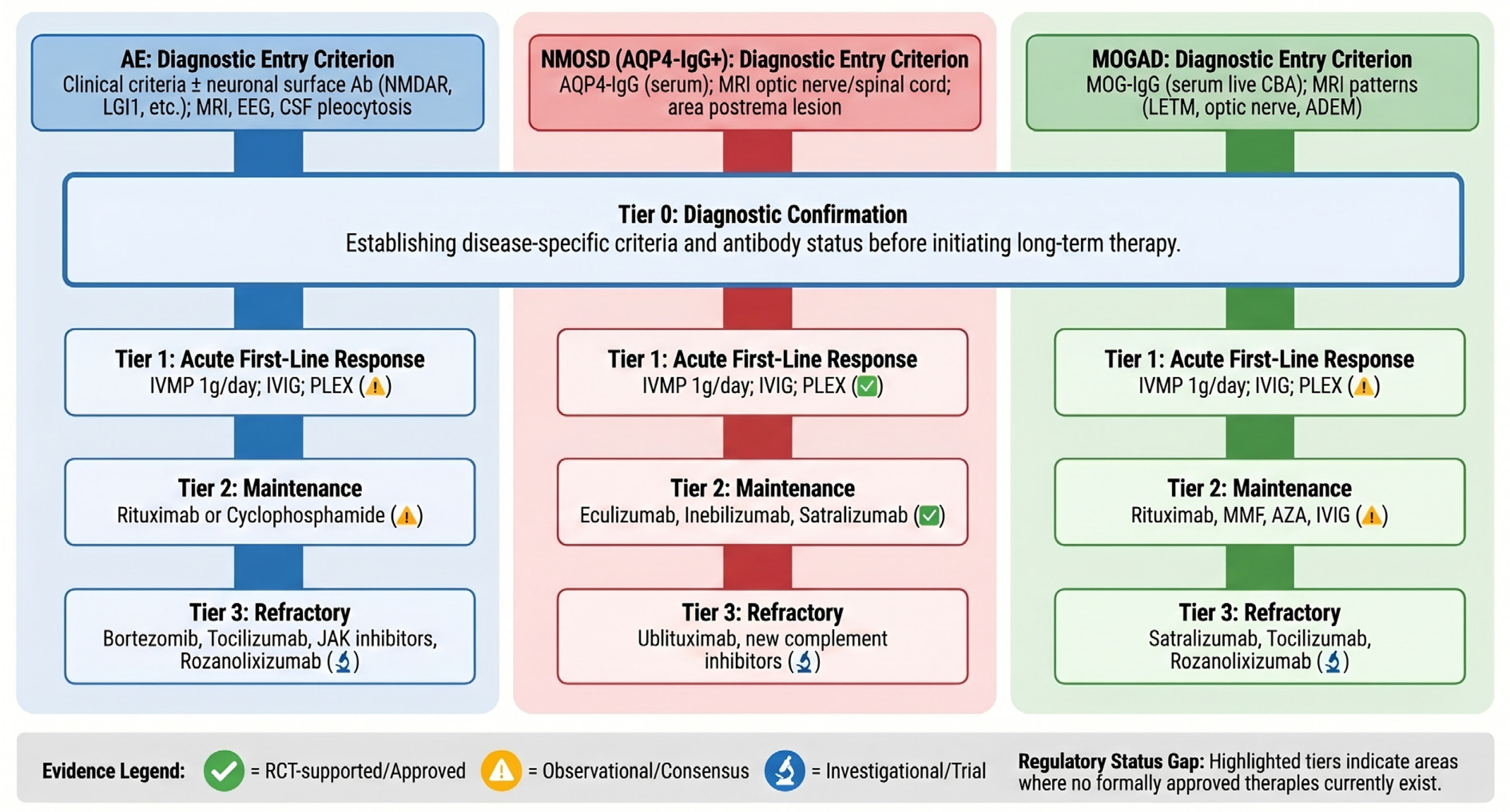
Figure 2 illustrates the evolution of immunotherapy in autoimmune CNS diseases.
Fig. 2
Evolution of immunotherapy in autoimmune CNS diseases. Figure created using NotebookLM.
ADEM – acute disseminated encephalomyelitis, AE – autoimmune encephalitis, AQP4-IgG – aquaporin-4 immunoglobulin G, AZA – azathioprine, CASPR2 – contactin-associated protein-like 2, CBA – cell-based assay, CSF – cerebrospinal fluid, EEG – electroencephalography, GABABR – g-aminobutyric acid type B receptor, IVMP – intravenous methylprednisolone, IVIG – intravenous immunoglobulin, JAK – Janus kinase, LETM – longitudinally extensive transverse myelitis, LGI1 – leucine-rich glioma-inactivated 1, MMF – mycophenolate mofetil, MOGAD – MOG antibody-associated disease, MOG-IgG – myelin oligodendrocyte glycoprotein immunoglobulin G, MRI – magnetic resonance imaging, NMDAR – N-methyl-D-aspartate receptor, NMOSD – neuromyelitis optics spectrum disorder, PLEX – plasma exchange.
Discussion
The past 15–20 years have witnessed a profound transformation in the understanding and treatment of autoimmune CNS diseases. In AE, recognition of antibody-mediated mechanisms has shifted management from non-specific antivirals and antiepileptics toward early, aggressive immunotherapy, typically following a staged approach with first-line treatments (GCs, IVIG, PLEX) followed by B-cell depletion or cytotoxic agents, with escalating use of targeted therapies for refractory disease, despite the lack of formal RCTs [4, 8, 11]. In NMOSD, the impact of biologics has been even more striking, with multiple high-quality RCTs demonstrating large relative risk reductions in relapse and leading to approvals of eculizumab, inebilizumab, and satralizumab in AQP4-IgG-positive disease, contrasting sharply with the challenges faced in APS and other rare autoimmune diseases and providing a model for future clinical research in MOGAD and AE [8, 15, 16]. For MOGAD, the field is at an earlier stage, with increasing recognition of a distinct clinical entity, better-defined diagnostic criteria, and the first wave of disease-specific trials now underway, where existing data underscore the need for long-term immunotherapy in relapsing disease yet highlight the limitations of extrapolating from NMOSD and MS, as MOGAD exhibits unique features such as higher frequency of complete lesion resolution and distinct attack patterns [1, 5, 17].
Several cross-cutting methodological challenges limit the strength and generalizability of current evidence, including rarity and heterogeneity leading to reliance on multicenter registries; outcome measures such as mRS and EDSS that may be insensitive to cognitive and psychiatric deficits prevalent in AE and MOGAD; confounding by indication and bias in observational studies justifying the emphasis on prospective registries and randomized designs; diagnostic delays and uneven access to validated antibody testing leading to underdiagnosis and misclassification, particularly affecting low- and middle-income countries; and ethical concerns regarding placebo use in severe disease, which have been addressed through active background therapy designs and calls for innovative trial designs [1, 4, 8, 12, 13].
Inclusivity remains a particular concern, as pediatric populations are disproportionately affected by certain entities yet underrepresented in trials, elderly and comorbid patients often face exclusion that limits generalizability, geographic and socioeconomic disparities persist despite NMOSD being more common in non-White populations and resource-constrained regions, and antibody-negative patients are frequently excluded from targeted trials despite potential responses to similar immunotherapies [6, 16, 21, 22]. Strategies to address these gaps include building multinational registries that deliberately enroll underrepresented populations, designing pragmatic trials embedded in routine care, advocating for tiered pricing, and incorporating telemedicine and decentralized follow-up. The literature further emphasizes that high-dose GCs, cyclophosphamide, mycophenolate mofetil, azathioprine, and rituximab are core therapies in both rheumatologic CNS manifestations (neuropsychiatric lupus, CNS vasculitis, etc.) and AE/severe NMOSD, and discusses how treatment goals differ (relapse prevention vs. multi-organ control and toxicity management). Several clinical “red flags” are provided for rheumatologists: new focal deficits, transverse myelitis, optic neuritis, intractable headache, seizures, encephalopathy, or major psychiatric/cognitive change in patients with systemic autoimmunity. A structured diagnostic work-up is recommended (MRI brain/spine with contrast, CSF, AQP4-IgG, MOG-IgG, neuronal surface antibodies, and parallel evaluation for vasculitis/thrombotic mechanisms such as APS). Interdisciplinary management is emphasized (neurology–rheumatology–neuroradiology), as well as coordinated induction/maintenance strategies using GCs, cyclophosphamide, rituximab, and, where appropriate, targeted biologics. It is highlighted that NMOSD/MOGAD trial data can inform escalation decisions in rheumatology patients, while rheumatology expertise helps manage systemic disease and long-term immunosuppression [15, 19, 20].
Future directions should prioritize disease-specific RCTs in AE and MOGAD with carefully chosen endpoints capturing relapse, cognition, and quality of life. A clear distinction should be made between diagnostically decisive antibodies (AQP4-IgG, MOG-IgG, NMDAR, LGI1, CASPR2) and broader systemic markers (ANA, ENA profiles, antiphospholipid antibodies, complement) that are less specific but carry prognostic/phenotypic information. It is stated that some antibodies define disease entities when detected with suitable assays in the appropriate clinical context. The roles of serum vs CSF (e.g. CSF preferred for NMDAR; serum adequate for AQP4 and many systemic markers) should also be clarified. Issues of sensitivity, specificity, assay variability and false-positive results further underscore the need for standardized diagnostic algorithms. It is recommended that diagnostic pathways be structured around three groups – disease-defining antibodies, supportive prognostic markers, and low-specificity background autoimmunity – to avoid over- and under-diagnosis in complex rheumatology patients [1, 3, 17]. Future priorities include refinement of outcome measures through the development of disease-specific scales, composite outcomes, and digital biomarkers; biomarker-driven stratification to identify subgroups most likely to benefit from specific targeted agents, particularly in antibody-negative AE and overlapping syndromes; registry-based and adaptive trial designs, including basket and platform trials grouping diseases by mechanism to improve feasibility in ultra-rare subtypes; and global collaboration and capacity building to expand antibody testing, neuroimmunology expertise, and research infrastructure in low- and middle-income countries, ensuring that therapeutic advances benefit the full global population of patients with autoimmune CNS disease.
Conclusions
Autoimmune inflammatory diseases of the CNS, particularly AE, NMOSD, and MOGAD, exemplify the rapid translation of immunological discovery into clinical practice. In AE, early first-line immunotherapy and staged escalation to B-cell-depleting and targeted agents have substantially improved outcomes, even though high-quality comparative trials are only now emerging. In NMOSD, multiple pivotal RCTs of complement inhibition, B-cell depletion, and IL-6 receptor blockade have redefined the standard of care and dramatically reduced relapse-related disability. For MOGAD, increasing recognition and refinement of diagnostic criteria have set the stage for the first wave of disease-specific trials targeting key immunological pathways. Despite this progress, significant challenges remain. The rarity and heterogeneity of these disorders, coupled with limitations of existing outcome measures and persistent inequities in diagnosis and treatment access, constrain the evidence base and its generalizability. Future research must prioritize inclusive, biomarker-driven trial designs, improved functional and patient-centered endpoints, and global collaboration to ensure that advances in immunotherapy are accessible to all patients affected by these severe but increasingly treatable conditions.